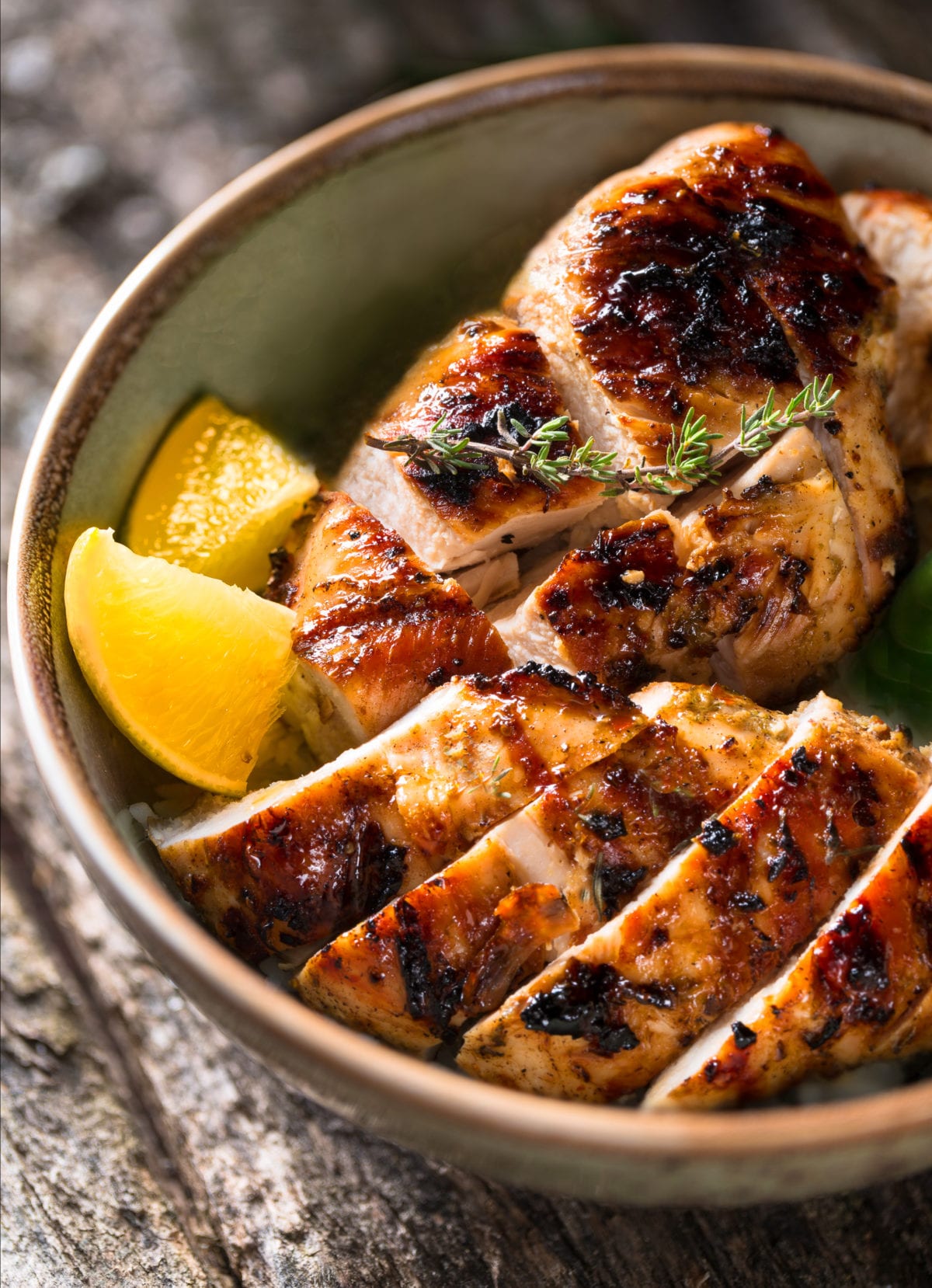
The quest for perfectly grilled chicken breasts often feels like an impossible mission. Too often, we're left with dry, rubbery, and flavorless slabs that are relegated to being merely a protein source rather than a culinary delight. The good news? Achieving simple and juicy and delicious grilled chicken breasts is not only possible but surprisingly easy with a few key techniques. Forget everything you thought you knew about bland, overcooked chicken. We're here to transform your grilling game and ensure every bite is bursting with moisture and flavor.
For many, chicken breasts are a go-to for healthy eating due to their lean profile. Yet, this very leanness can be their downfall on the grill if not handled correctly. Inspired by the desire for healthier yet enjoyable meals, much like a 6th-grader's inquiry about "lean meat," we've refined a method that balances health, simplicity, and incredible taste. You don't have to choose between lean and luscious; you can have both!
The Triumvirate of Tenderness: Pound, Brine, Marinate
The secret to transforming lean chicken breasts into tender, succulent masterpieces lies in three fundamental, yet often overlooked, preparation steps. These aren't just tricks; they're essential techniques that work synergistically to infuse your chicken with moisture and flavor before it even hits the grill.
1. Pound for Perfection
The first step towards consistently juicy chicken breasts is to ensure they cook evenly. Chicken breasts naturally vary in thickness, with one end often much thicker than the other. This unevenness is the primary culprit behind dry, overcooked edges and undercooked centers. Pounding the chicken serves two crucial purposes:
- Uniform Thickness: By pounding the breasts to an even ½-inch to ¾-inch thickness, you guarantee that every part of the chicken cooks at the same rate. This prevents thinner sections from drying out while waiting for thicker parts to finish.
- Tenderization: Pounding also physically breaks down the muscle fibers in the chicken. This tenderizing action results in a more pleasant texture, making the chicken less chewy and more receptive to marinades and brines.
How to Pound: Place a chicken breast between two sheets of plastic wrap or in a large zip-top bag. Using a meat mallet (the flat side) or a heavy-bottomed pan, gently but firmly pound the chicken, working from the center outwards, until it reaches your desired uniform thickness.
2. The Magic of Brining
Brining is a game-changer, especially for lean meats like chicken breasts. It’s a simple process that yields profound results, infusing moisture and seasoning deep into the meat where a marinade alone might not fully penetrate.
- What is Brining? Brining involves soaking the chicken in a solution of salt water, often with added sugars, herbs, and spices. Through osmosis, the chicken absorbs some of the brining liquid.
- Why it Works: The salt in the brine denatures the proteins in the chicken, causing them to unravel and create tiny spaces that trap moisture. This not only makes the chicken juicier but also more flavorful and less prone to drying out during cooking.
A basic brine can be as simple as 1 tablespoon of kosher salt per cup of water. For enhanced flavor, consider adding a pinch of sugar, bay leaves, garlic cloves, or peppercorns. Submerge your pounded chicken breasts in the brine for at least 30 minutes, and up to 2 hours, for the best results. Remember to pat them thoroughly dry before marinating.
3. Crafting the Perfect Marinade
While brining handles the internal juiciness and seasoning, marinating is where you layer on the exterior flavor and contribute further to tenderness. A good marinade typically includes an acidic component, an oil, and a blend of seasonings.
- Acids: Lemon juice, lime juice, vinegar, or even buttermilk helps to tenderize the outer surface of the chicken and infuse it with zesty notes.
- Oils: Olive oil, avocado oil, or another neutral oil helps to carry fat-soluble flavors, prevent sticking on the grill, and contribute to a beautiful char.
- Aromatics & Spices: This is where you can truly personalize your flavor profile. Think garlic powder, onion powder, paprika, cumin, oregano, thyme, rosemary, or a touch of cayenne for heat. Fresh herbs like chopped parsley or cilantro also work wonderfully.
Combine your chosen ingredients in a shallow dish or zip-top bag, add your pounded and brined chicken breasts, and ensure they are fully coated. Marinate for a minimum of 30 minutes, but ideally 2-4 hours for maximum flavor absorption. Avoid marinating for too long (over 12 hours) with highly acidic marinades, as this can start to "cook" the chicken and make it mushy.
For more detailed insights into these crucial steps, you might find our article Grilled Chicken Breasts: 3 Steps to Juicy Perfection incredibly helpful!
Grilling Masterclass: Techniques for Success
Once your chicken breasts are perfectly prepped, the grilling process itself requires attention to detail. This is where many home cooks falter, leading to the dreaded dry chicken. Follow these tips for consistently simple and juicy and delicious grilled chicken breasts.
Pre-Grill Prep & Temperature Control
- Clean and Oil Your Grates: Always start with a clean grill. Leftover food particles can cause sticking and off-flavors. Once clean, lightly oil the grates to prevent the chicken from adhering.
- Preheat Thoroughly: For a beautiful sear and even cooking, preheat your grill to a medium-high temperature (around 400-450°F / 200-230°C). This usually takes 10-15 minutes with the lid closed.
- Don't Crowd the Grill: Give each chicken breast enough space for even cooking and to allow heat to circulate properly. If you overcrowd the grill, the temperature will drop, and the chicken will steam rather than sear.
The Art of Grilling and Resting
- Sear and Move: Place the chicken breasts on the hottest part of the grill for 2-3 minutes per side to get a nice sear and those attractive grill marks. Then, if needed, move them to a slightly cooler part of the grill to finish cooking through gently, especially for thicker pieces.
- Cook to Temperature, Not Time: This is arguably the most critical tip. Chicken breasts are fully cooked and safe to eat when they reach an internal temperature of 165°F (74°C) as measured by an instant-read meat thermometer inserted into the thickest part. Overcooking by even a few degrees can quickly lead to dryness. Depending on thickness and grill temperature, this usually takes 6-8 minutes per side.
- Rest, Rest, Rest! Once the chicken reaches 160-162°F (it will continue to cook up to 165°F during resting), remove it from the grill and transfer it to a cutting board or platter. Cover it loosely with foil and let it rest for at least 5-10 minutes. This resting period allows the juices, which have been pushed to the center during cooking, to redistribute throughout the meat. Slicing too early will cause all those precious juices to run out, leaving you with dry chicken.
Embracing these grilling techniques will set you on the path to restaurant-quality results right in your backyard. Discover more advanced tips on Unlock Restaurant-Quality Juicy Grilled Chicken at Home.
Beyond the Grill: Serving Your Delicious Creation
Once your chicken breasts are perfectly grilled, juicy, and rested, the possibilities are endless! Slice them and serve atop a fresh garden salad, tuck them into warm pita bread with tzatziki, or layer them into hearty sandwiches. They're also fantastic alongside roasted vegetables, quinoa, or brown rice for a complete, nutritious meal. The beauty of a well-prepared chicken breast is its versatility, making it a fantastic base for countless dishes.
Don't be afraid to experiment with different marinades and spice rubs to keep things exciting. A smoky chipotle marinade one week, a zesty lemon-herb marinade the next, or a simple garlic-paprika rub can completely change the character of your meal. The core techniques of pounding, brining, marinating, and proper grilling will consistently deliver the texture and juiciness, leaving you free to play with flavors.
Never Dry Again: Your Path to Grilled Chicken Success
No more pushing bland chicken around plates or reaching for the ketchup bottle out of necessity. By adopting these straightforward yet powerful techniques—pounding for uniform thickness and tenderness, brining for internal moisture, and marinating for deep flavor—you can consistently achieve simple and juicy and delicious grilled chicken breasts. Combine these preparation steps with mindful grilling to internal temperature and, crucially, allowing the meat to rest, and you'll unlock a new level of culinary satisfaction. Say goodbye to dry, boring chicken forever, and hello to a world of succulent, flavorful possibilities right from your grill.
